
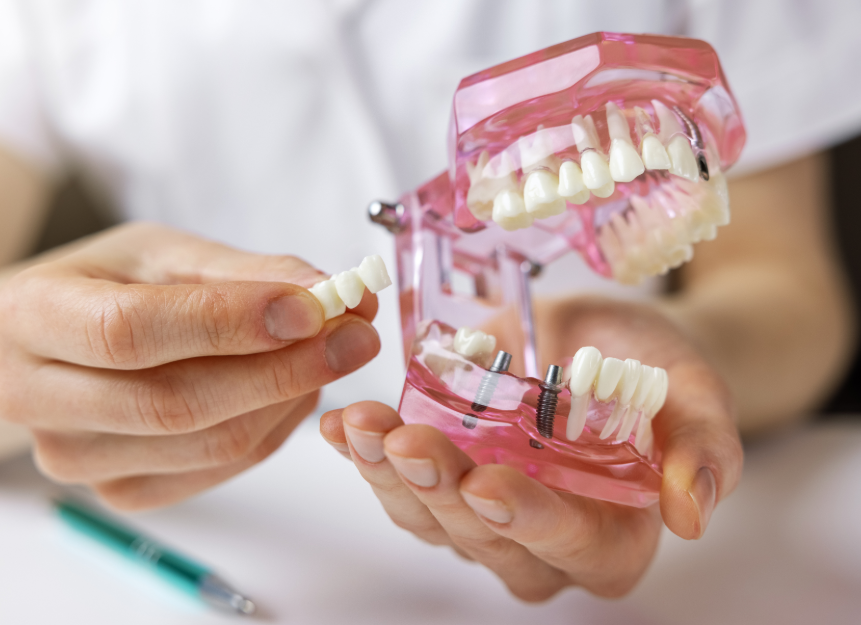
Dental implants are designed to look, feel, and function like natural teeth. Since the implant itself is made from titanium and topped with a porcelain or ceramic crown, many people are surprised if they notice sensitivity around the area. After all, if there’s no natural tooth or nerve inside the implant, how can it hurt?
The truth is that while the implant itself cannot feel pain, the surrounding tissues can. If you’re experiencing sensitivity or discomfort around a dental implant, it’s important to understand the possible causes and have your dentist evaluate the area as soon as possible.
Is Dental Implant Sensitivity Normal?
Some tenderness is completely normal after dental implant surgery. As your gums and jawbone heal, it’s common to experience mild soreness, swelling, or sensitivity for several days. This discomfort should gradually improve as your mouth recovers.
However, if sensitivity develops weeks, months, or even years after your implant has healed—or if it seems to be getting worse—it could indicate an underlying issue that requires professional attention.
Your Gums May Be Inflamed
One of the most common reasons for sensitivity around a dental implant is inflammation of the surrounding gum tissue.
Just like natural teeth, dental implants can accumulate plaque if they aren’t cleaned properly. This can lead to irritation and an infection known as peri-implant mucositis, which affects the gums around the implant. If left untreated, the condition may progress to peri-implantitis, a more serious infection that can damage the supporting bone.
You may notice:
- Tender or swollen gums
- Redness around the implant
- Bleeding when brushing or flossing
- Sensitivity while chewing
Early treatment can often stop the problem before it becomes more severe.
The Implant May Be Under Too Much Pressure
A dental implant is built to withstand normal biting and chewing forces, but excessive pressure can cause discomfort.
If you grind or clench your teeth, have an uneven bite, or the restoration needs adjustment, extra stress may be placed on the implant and the surrounding tissues. Although the implant itself doesn’t have nerves, the ligaments, gums, and bone around it can become irritated.
Your dentist can evaluate your bite and determine whether a simple adjustment or a custom nightguard may help relieve the pressure.
Nearby Teeth Could Be the Real Source
Sometimes the discomfort isn’t coming from the implant at all.
A neighboring tooth with a cavity, cracked filling, gum recession, or nerve irritation can cause pain that feels like it’s coming from the implant. Because nerves in the mouth are closely connected, it isn’t always easy to pinpoint the exact source of sensitivity on your own.
A thorough dental examination and X-rays can help identify the true cause.
An Implant Complication Could Be Developing
Although dental implants have an excellent long-term success rate, complications can occasionally occur.
In rare cases, sensitivity may be related to:
- Infection around the implant
- Bone loss
- A loose crown
- A damaged restoration
- Implant failure
These issues are much easier to treat when they’re detected early, which is why it’s important not to ignore persistent discomfort.
Don’t Wait to Have Sensitivity Checked
While dental implant sensitivity isn’t always a sign of a serious problem, it should never be ignored. Prompt evaluation allows your dentist to identify the cause, recommend appropriate treatment, and help protect the long-term health of your implant.
If something doesn’t feel quite right, scheduling an appointment sooner rather than later can help keep your smile healthy for years to come.
About the Practice
Salt Run Family Dentistry provides comprehensive dental care for patients of all ages in St. Augustine, Florida. Led by Dr. Leth and Dr. Dunn, our practice is committed to helping patients achieve healthy, confident smiles through personalized, high-quality care. From preventive services to restorative treatments like dental implants, our team combines modern technology with a compassionate approach to create a comfortable experience for every patient.
Call us at (904) 824-3540 or schedule your appointment online.