
Gum Disease Treatment – St. Augustine, FL
Solutions for Inflamed, Bleeding Gums
Did you know that almost half of all adults over the age of 30 in the United States have some form of gum disease? This surprisingly common oral health issue can do more damage than many people realize, even resulting in tooth loss if it goes untreated for too long. Fortunately, our team at Salt Run Family Dentistry has multiple ways to treat the problem and prevent it from growing worse. Give us a call today if you think you might be in need of gum disease treatment in St. Augustine.
Why Choose Salt Run Family Dentistry for Gum Disease Treatment?
- Thorough, Gentle Scaling and Root Planing
- Dental Team That Utilizes Advanced Technology and Treatments
- Friendly Dentists Who Treat Patients Like Family
What is Gum Disease?
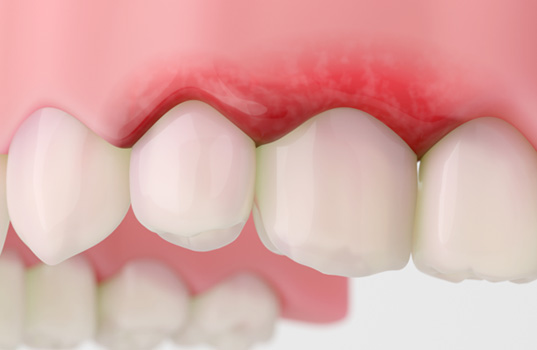
Poor oral hygiene practices can cause plaque and tartar to accumulate in your mouth, which can ultimately lead to an infection of your gums known as gum disease. It’s important to note that gum disease often starts relatively mild; you may not even notice any symptoms at first. But if it remains unaddressed, it can move on to its more advanced stages and ultimately lead to severe oral and overall health problems.
Symptoms of Gum Disease
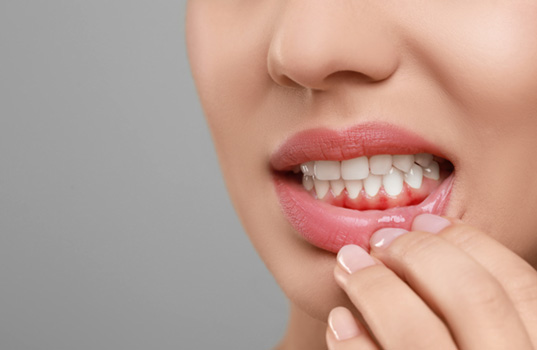
The earliest form of gum disease, also known as gingivitis, is often characterized by red, swollen, and unusually tender gum tissue. It can also cause your gums to bleed easily whenever you brush or floss, and it can even give you chronic bad breath.
If gum disease reaches the more advanced periodontitis stage, you may notice changes in your bite, and you might experience pain when you chew your food. In particularly severe cases, your teeth may come loose or even fall out altogether.
How Do We Treat Gum Disease?

Before we can treat your gum disease, we’ll need to examine your mouth to learn more about your specific symptoms as well as the overall severity of your condition. Depending on what we find, we may recommend one or more of the following treatment options.
Scaling & Root Planing
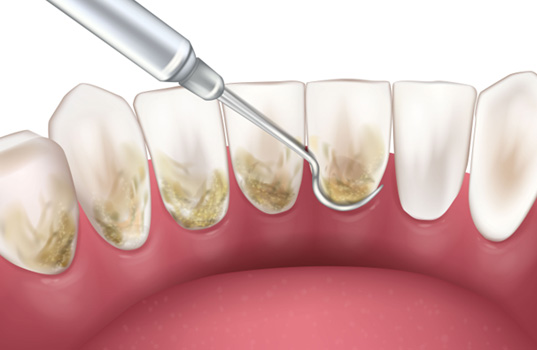
A regular dental cleaning won’t always be enough to get rid of all of the plaque and tartar that is contributing to your gum disease. That’s where scaling and root planing come in. With scaling, we’ll thoroughly clean the area around and below your gumline, getting rid of the plaque and tartar that have built up over time. Then we’ll use root planing to smooth out any rough surfaces on your tooth roots; this will make it easier for the gums to reattach themselves to the teeth.
Do I Need Scaling & Root Planing?
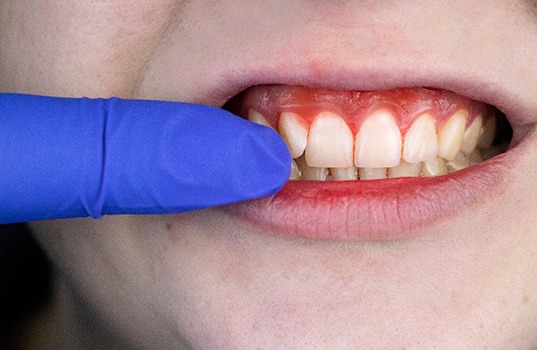
To figure out if scaling and root planing is right for you, we first need to complete an examination of your gums. X-rays are also taken to collect as much information at we can. Depending on the current state of your gum tissue, the depth of the pockets, and the progress of your gum disease, we might recommend scaling and root planing to keep your gum disease at bay.
The Process of Scaling & Root Planing?
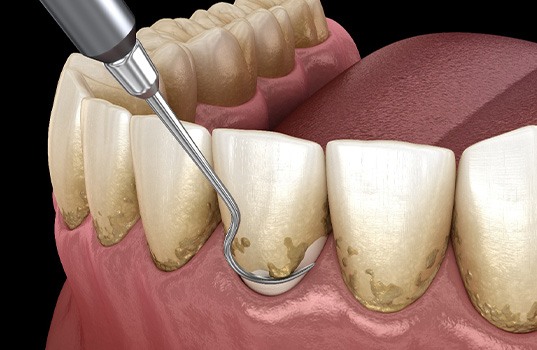
The complete scaling and root planing process is usually completed over the course of two appointments, but this can vary from patient to patient. To remove plaque and tartar, we begin by scaling the teeth with dental tools. We will target the gumline and underneath the gumline where plaque, tartar, and bacteria build up.
After the scaling portion is complete, we will move on to the root planing portion of the treatment. This is when we smooth down sections of the teeth beneath the gumline. This helps the gums to adhere to the teeth, speeding up the healing process by making it more challenging for bacteria to build up later on.
Aftercare Tips for Scaling & Root Planing

It is normal for the gums to feel a little bit sore after scaling and root planing. There may also be some inflammation in those areas. This is temporary and should subside over the next couple of weeks. Here are some tips to help the healing process go as smoothly as possible.
- Brush twice daily with a soft-bristled toothbrush and fluoridated toothpaste
- Rinse your mouth with saltwater after meals
- Floss every day
- Stick to a soft diet following your treatment
- Avoid foods and beverages that are spicy, acidic, and hot
- Refrain from intense physical activity
Arestin® Antibiotic Treatment

As gum disease causes your gums to pull away from your teeth, periodontal pockets start to form. These pockets can be difficult to clean thoroughly, and they provide a space where harmful bacteria can easily thrive. Fortunately, our team can apply a special antibiotic known as Arestin® directly to your periodontal pockets. Arestin® can fight the infection at its source by killing hard-to-reach bacteria, which can go a long way toward helping your gums heal.
Bone Grafting

Gum disease can lead to deterioration of the jawbone, which is why the condition often results in tooth loss. If your jawbone has been damaged due to gum disease, we may be able to repair it with a bone graft. With this procedure, we’ll take bone tissue from another part of your body and transplant it to your jaw, which encourages the growth of new bone tissue.
Learn More About Bone Grafting
Gum Disease Treatment FAQs
How common is gum disease?
If you’re concerned that you’ve contracted some rare disease, you can thankfully set those fears aside. Gum disease is incredibly common, and the Centers for Disease Control and Prevention has estimated that nearly half (or about 42% to 47%) of U. S. Americans who are 30 years or older have developed some form of this condition.
Unfortunately, these numbers only increase with age, as nearly 60% of those who are 65 years or older are believed to have periodontal problems. The mildest form, gingivitis, affects a larger portion of the population, but it often goes unnoticed and untreated until it has already progressed.
Is gum disease a dental emergency?
You might wait to schedule a dental appointment if you believe gum disease is a minor concern, but it’s important to treat it before it worsens, so please contact our office to schedule a visit as soon as possible.
If you wait, the disease can progress and result in worsening issues, like receding gums, that aren’t always completely curable. Not only that, but periodontal infections can enter the bloodstream, travel to other areas of the body, and affect your general health if they’re left unaddressed for too long.
Does gum disease ever go away?
The earliest stage, known as gingivitis, is usually milder and can sometimes be halted or reversed by improving your twice-daily at-home dental hygiene routine to include more consistent flossing.
However, if the disease has already progressed to its more advanced stage, periodontitis, it’s not always fully curable. In many cases, our team can help manage symptoms to preserve your oral health but may not be able to eliminate the problem altogether. Taking the proper precautions and contacting us as soon as you notice any areas of concern can help avoid this.
How long does gum disease treatment take?
Our team will do everything we can to treat your periodontal disease as quickly and effectively as possible, but the length of time it takes for your condition to improve can vary from person to person because it depends on your unique circumstances.
For example, if you have gingivitis, it can sometimes be addressed within just a couple of weeks of brushing and flossing more thoroughly and consistently. But if you have late-stage gum disease, or periodontitis, your treatment might involve a lifelong commitment of routine cleanings and maintenance to help manage symptoms and preserve your connective tissues.